Richard Gallant's 2004 Discovery Prep
 2004 Discovery Prep thread
 Photo: 2004 Discovery Prep thread
Overlanding prep on a 2004 Land Rover Discovery for backcountry BC trips
Richard Gallant documents gradual work to turn his 2004 Discovery into a self-sufficient camping and backroads rig in British Columbia. The thread covers a DIY rear awning, a rooftop tent install, head gasket repairs, dust sealing at the intake, and plans for a camp kitchen and fire setup. It is an ongoing, informal build log rather than a finished project.
Parts used
Parts named as used in the original write-up, grouped the way the Parts page groups them. Where one of the shops we index lists the same thing for this car, it is shown underneath with a link to the shop.
Body & Trim 3
- Marine antenna mount
Rotating base used as the pivot point for the DIY rear door awning
- 3/4 inch irrigation pipe and fittings
Used as the arm and support structure for the rear awning, with connectors and a 90 degree elbow
- Tarp
Stretched over the awning frame to cover the rear door area in rain
Tools & Workshop 1
- Extendable paint roller handle
Used as a vertical support pole for the awning when extended
Other 3
- Front Runner roof rack and load barsFront Runner
Mounted to the roof to carry the rooftop tent and support the awning cross bar
In the shops Roof Rack Ladder ↗
 Moss Motors – Triumph TR6/TR250· $117.50 USD
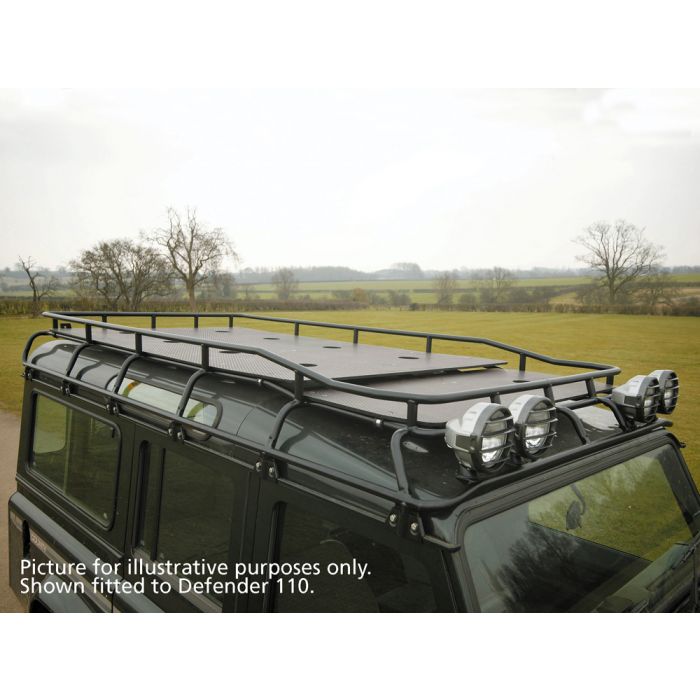 Roof Rack Flooring Kit - Marine Ply - Defender 90 ↗
 Paddock Spares· £530.77 GBP
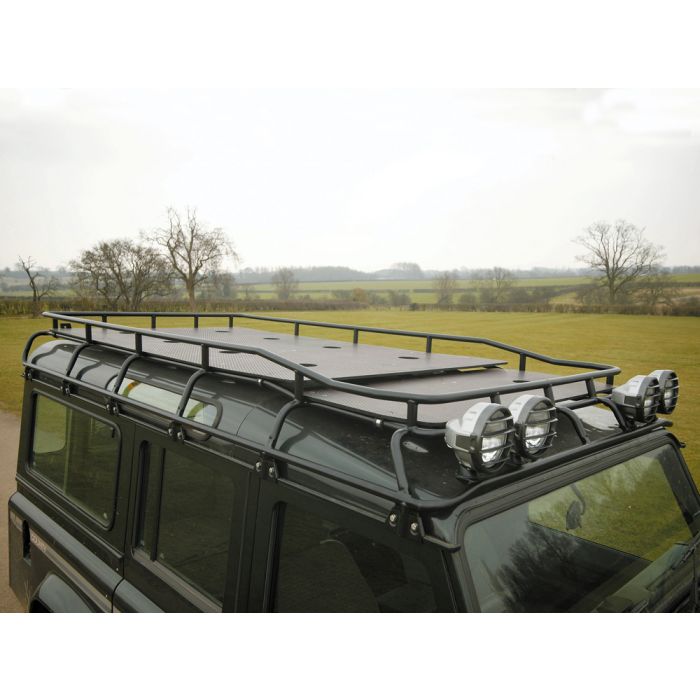 Roof Rack Flooring Kit - Marine Ply - Defender 110 ↗Paddock Spares· £617.70 GBP
- Rooftop tent
Fitted to the roof rack for camping trips, delivered and installed on the Discovery
- Butane camp heater
Placed under his chair with a wind break to provide warmth on cool camping nights
Photos
32 pictures collected from the write-up, in the order they were posted, shown from 2004 Discovery Prep thread. A picture opens larger here, with the way through to the page it is on.
2004 Discovery Prep thread - Land Rover Forums - Land Rover Enthusiast Forum 14this post at 2004 Discovery Prep thread ↗
2004 Discovery Prep thread - Land Rover Forums - Land Rover Enthusiast Forum 3this post at 2004 Discovery Prep thread ↗
2004 Discovery Prep thread - Land Rover Forums - Land Rover Enthusiast Forum 9this post at 2004 Discovery Prep thread ↗
2004 Discovery Prep thread - Land Rover Forums - Land Rover Enthusiast Forum 5this post at 2004 Discovery Prep thread ↗
2004 Discovery Prep thread - Land Rover Forums - Land Rover Enthusiast Forum 1this post at 2004 Discovery Prep thread ↗
How it was done
Rear awning build
Gallant built a DIY rear door awning using a rotating marine antenna mount, irrigation pipe, fittings and a tarp, mounted to his Front Runner cross bar. He already had an ARB awning on the passenger side and wanted rear door rain cover, testing the setup in actual rain.
Head gasket and dust sealing
He worked on head gaskets and noticed excess dust intrusion. He planned extra sealing: a foam filter before the MAF, a cloth sock over airbox lid connections, and a cover over the airbox top, suspecting worn seals rather than opting for a snorkel.
Rooftop tent and rack
After confirming the engine was sound post head-gasket work, he got approval for a rooftop tent, fitted to a Front Runner rack and load bars with roughly 2.25-2.5 inches of roof clearance, and took delivery of the tent.
Camp kitchen and fire setup plans
Gallant planned a simple camp kitchen with folding legs, stove storage, fuel can mounts possibly replacing the 60% rear seat, and tool/food storage. He also considered fire safety options including a fireproofed canvas tarp or a fireplace-screen style spark catcher, and weighed a diesel parking heater against a propane fire ring.
A summary in our own words. The full account, with all its detail, is in the original write-up: read it at 2004 Discovery Prep thread ↗
Worth knowing
- Sealing up airbox and intake connections likely matters more than adding a snorkel for dust intrusion
- A simple rotating marine antenna mount and irrigation pipe can make a cheap, adjustable awning arm
- Fuel cans stored inside need a dedicated, permanent spot rather than loose placement