Build catalogue
Larry Breitkreitz's 1973 Spitfire, with Toyota 4AGE 4-cylinder
 britishv8.orgas recorded by Dan Masters
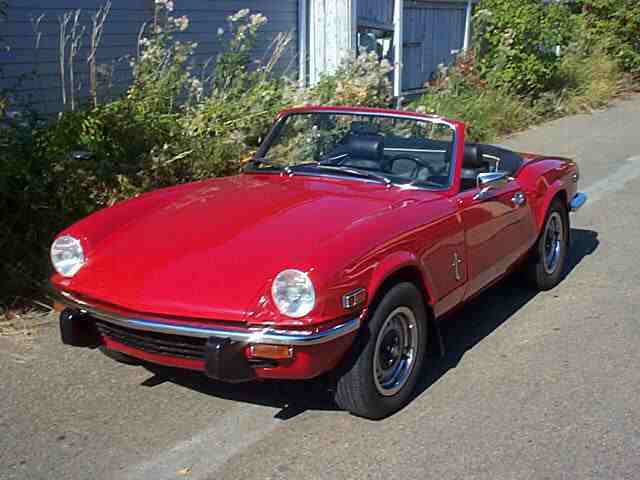 Photo: britishv8.org
A 1973 Triumph Spitfire rebuilt with a Toyota 4AGE twin-cam engine
Larry Breitkreitz rescued a Spitfire that a previous owner had butchered trying to fit a Mazda rotary, and instead built a clean, factory-looking car around a Toyota 4AGE twin-cam four and its five-speed gearbox. The write-up is worth reading for the detailed frame, cooling, wiring and exhaust fabrication needed to make a Japanese drivetrain disappear into a British body, blending Lucas and Nippondenso electrics into a single working system.
Specs
As the owner states it.
- Engine
- Toyota 4AGE DOHC 16-valve 1600cc, fuel injected, about 124 hp
- Gearbox
- Toyota 5-speed manual
- Cooling
- Mazda RX-7 radiator with custom left-offset mount, Pontiac 6000 fan, Toyota oil cooler
- Suspension
- Corvette air shocks, Ford Fox-series rear sway bar with custom mounts
- Wheels
- Powder coated, stock-sized tyres
- Body
- Frame stripped, sandblasted and repainted; body repaired
- Paint
- Acrylic enamel, Honda Milano Red
- Interior
- Reupholstered seats from Moss or Victoria British parts, custom carpet, insulated floor and transmission tunnel
- Electrical
- Combined Lucas and Nippondenso ("Nippo-Lucas") wiring, Toyota engine computer mounted under dash
Parts used
What the owner names in the write-up, grouped the way the Parts page groups them. Where one of the shops we index lists the same thing for this car, it is shown underneath with a link to the shop.
Engine 1
- Toyota 4AGE DOHC 16-valve engineToyota
Replaced the original Spitfire engine, close to stock displacement but nearly double the power
Fuel & Ignition 1
- Toyota mass air sensor and air cleaner unitToyota
Mounted on the left forward of the radiator, feeding the intake plenum via stock Toyota air inlet tubes
In the shops Mass Air Flow Sensor (OEM) ↗
 Moss Motors – Triumph TR6/TR250· $144.75 USD
 Mass Air Flow Sensor (Britpart) ↗Moss Motors – Triumph TR6/TR250· $111.50 USD
 Mass Air Flow Sensor (Genuine Land Rover) ↗Moss Motors – Triumph TR6/TR250· $172.50 USD
Cooling 3
- Mazda RX-7 radiatorMazda
Installed left-offset with a custom fabricated support and shield
In the shops Stock Mazda Engine Mount ↗
 Flyin' Miata· $60.99 USD
 Upper Radiator Hose (Mazdaspeed) ↗Flyin' Miata· $34.99 USD
 Mazda Washer Pump Grommet (NA/NB) ↗Flyin' Miata· $5.79 USD
 - Pontiac 6000 cooling fan assemblyPontiac
Mounted on the forward side of the radiator, controlled by the Mazda cooling sensor
In the shops Cooling Fan ↗Moss Motors – Triumph TR6/TR250· $17.99 USDMetal Cooling Fan ↗Moss Motors – Triumph TR6/TR250· $0.00 USD
 7-Blade Cooling Fan ↗Moss Motors – Triumph TR6/TR250· $73.75 USD
 - Toyota oil coolerToyota
Mounted forward of the radiator with custom hoses to the engine
Gearbox & Drivetrain 1
- Toyota 5-speed manual transmissionToyota
Paired with the 4AGE engine, mounted using a narrowed Toyota mount welded into the Spitfire frame
In the shops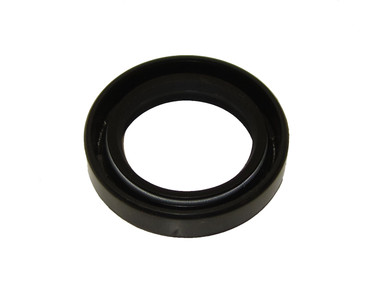 Rear Transmission Seal, Spitfire/GT6/TR7 4-speed/Midget 1500 ↗
 bpnorthwest.com· $2.36 USD
 Dash Harness (Manual Transmission) ↗Moss Motors – Triumph TR6/TR250· $255.63 USD
 Main Engine/Dash Harness, Manual Transmission ↗Moss Motors – Triumph TR6/TR250· $704.83 USD
Suspension & Steering 2
- Corvette air shocksCorvette
Fitted in place of stock shocks, inflated as required
- Ford Fox-series rear sway barFord
Fitted with custom mounts to stiffen the rear end
In the shops Sway Bar U-Bolt ↗Moss Motors – Triumph TR6/TR250· $4.15 USD
 Sway Bar, 7/8 inch diameter ↗Moss Motors – Triumph TR6/TR250· $171.75 USD
 Sway Bar to Wishbone Link, Left ↗Moss Motors – Triumph TR6/TR250· $14.25 USD
Interior 1
- Interior trim and seat partsMoss or Victoria British
Used to refinish the interior, seats then locally reupholstered to original pattern
In the shops Trim Clip (Interior) ↗
 TRGB· £0.22 GBP
 Interior Trim Contact Adhesive (1 Litre) ↗TRGB· £23.65 GBP
Electrical 1
- Toyota engine management computerToyota/Nippondenso
Mounted under the left side of the dashboard, running the Nippondenso engine control system
Other 1
- Custom exhaust header and system
Fabricated from the engine manifold outlets, with muffler and resonator for a quiet exhaust
Photos
All 8 pictures in the write-up, in the order they were posted, shown from britishv8.org. A picture opens larger here, with the way through to the page it is on.
How it was done
Starting point
Larry took on a Spitfire that had been badly damaged by a previous owner attempting a Mazda RX-7 rotary conversion, with the engine left sitting in a hole hacked into the firewall and floor. The drivetrain he used instead, a Toyota 4AGE twin-cam engine and five-speed gearbox, came from someone restoring a crashed Corolla GTS who only needed the body.
Why the 4AGE
The Toyota 4AGE is a DOHC 16-valve engine also used in the MR2, displacing close to the Spitfire's original 1600cc but producing about 124 hp, nearly double stock output. It is fuel injected and computer controlled, making it quiet, smooth and economical, and it is lighter than the Triumph engine it replaced.
Fitting the engine
The body was lifted off the frame, which was stripped, sandblasted and painted. The new engine was hung from a chain above the bare frame to work out its position by trial and error, with the body test-fitted repeatedly and the hood checked for clearance. The work was aimed at keeping the finished car looking completely stock.
Frame modifications
The crossmember under the engine was replaced with two fabricated tubular units either side of the sump. Steering rack mounts were lowered half an inch, the frame was plated for a rerouted speedo cable, and notched for the clutch slave cylinder. Fabricated steel engine mounts, a modified Toyota mount, and a narrowed Toyota transmission mount were welded in, along with Corvette air shocks and a Ford Fox rear sway bar.
Cooling and induction
A Mazda RX-7 radiator was mounted off to the left on a custom support and shield, cooled by a Pontiac 6000 fan controlled by the Mazda sensor. The Toyota oil cooler sat ahead of the radiator on custom hoses. The air cleaner and mass air sensor were mounted forward on the left, feeding the intake plenum through stock Toyota tubes, with custom steel shields replacing the original cardboard engine covers.
Exhaust and interior fabrication
Larry built a custom header from the engine manifold to a quiet custom exhaust system with muffler and resonator. Inside, the cardboard transmission tunnel was replaced with a steel one, and the interior and floor were insulated against noise and heat.
Wiring
Combining stock Lucas wiring with the Toyota's Nippondenso engine control system was one of the biggest jobs. The Toyota computer was mounted under the left side of the dashboard, with Nippondenso relays and harnesses retained where needed. The Lucas dash wiring and instruments, including the tachometer, remained stock and interface with the Japanese system, notably at the ignition switch.
Interior and finish
Seats and interior trim were refreshed with parts from Moss or Victoria British, then locally reupholstered to the original pattern, while the carpet was made from scratch to fit the new transmission tunnel shape. The body was repaired and painted in Honda Milano Red acrylic enamel, bumpers were rechromed, wheels powder coated, and badges and decals left off for a cleaner look.
A summary in our own words. The full account, with all its detail, is the owner's: read it at britishv8.org ↗
Worth knowing
- Test-fit the engine and body repeatedly with the engine hung on a chain to get placement right.
- Keep as much of the original wiring as possible and interface it carefully with the donor engine's own electronics.
- Fabricate steel shields and tunnels rather than reuse cardboard originals for a tidier, more durable result.
- Sourcing an engine and gearbox from someone parting out a crashed donor car can be a practical and affordable route.
- A lighter, more powerful engine can improve handling balance as well as performance.